20 Japanese Words for Rain
In Western culture, there has always been a tendency to seek stability and permanence. Plato envisioned eternal truths in his theory of forms; Newton described a physical world governed by immutable laws; America’s Founding Fathers drafted a Constitution designed to endure the ages. Beneath all of this lies a discomfort with the notion that nothing lasts forever.
Miya 美夜 Ando has spent the past two decades confronting that impermanence in her artistic practice. Guided by the Japanese aphorism mono no aware — a recognition of reality’s fundamental transience — the Japanese and American visual artist often focuses on fleeting natural phenomena, such as clouds, lunar phases, and shooting stars.
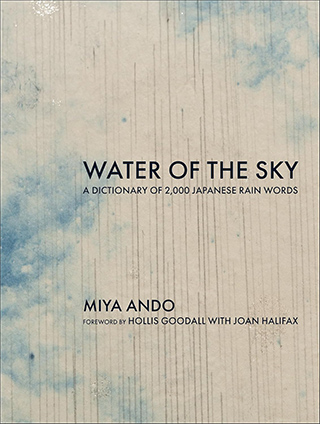
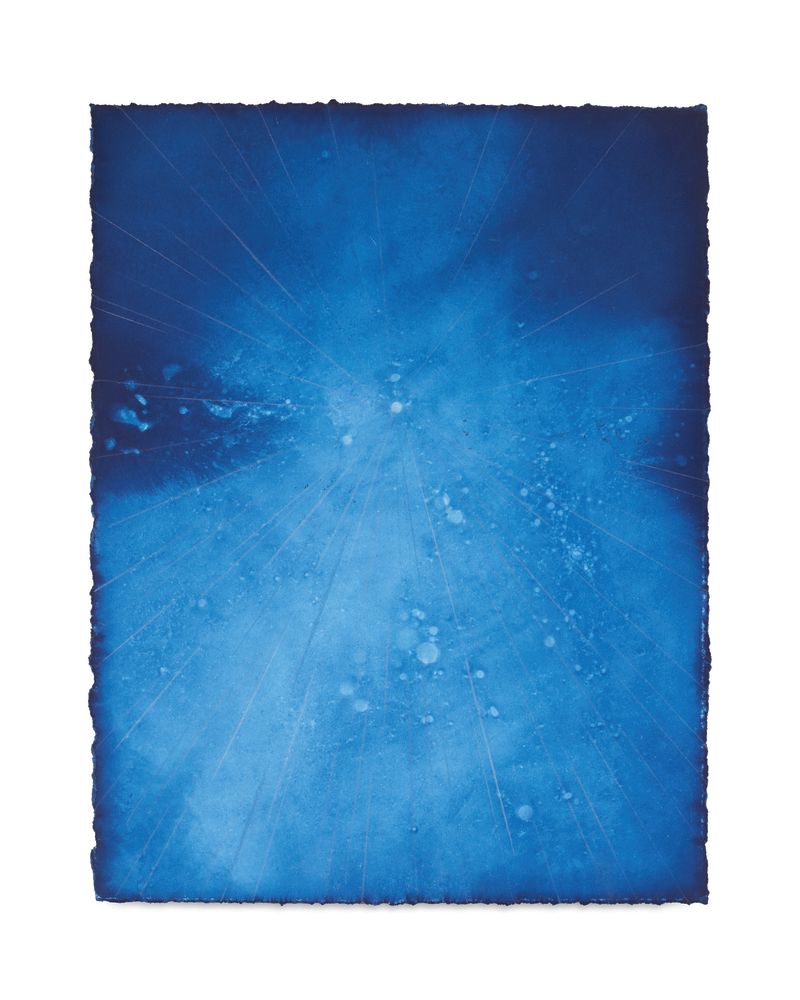
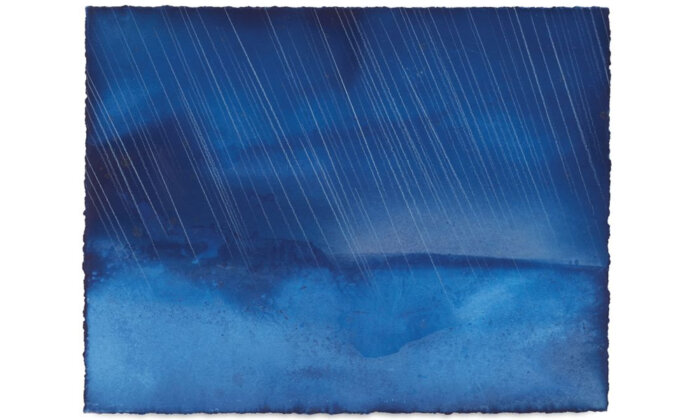
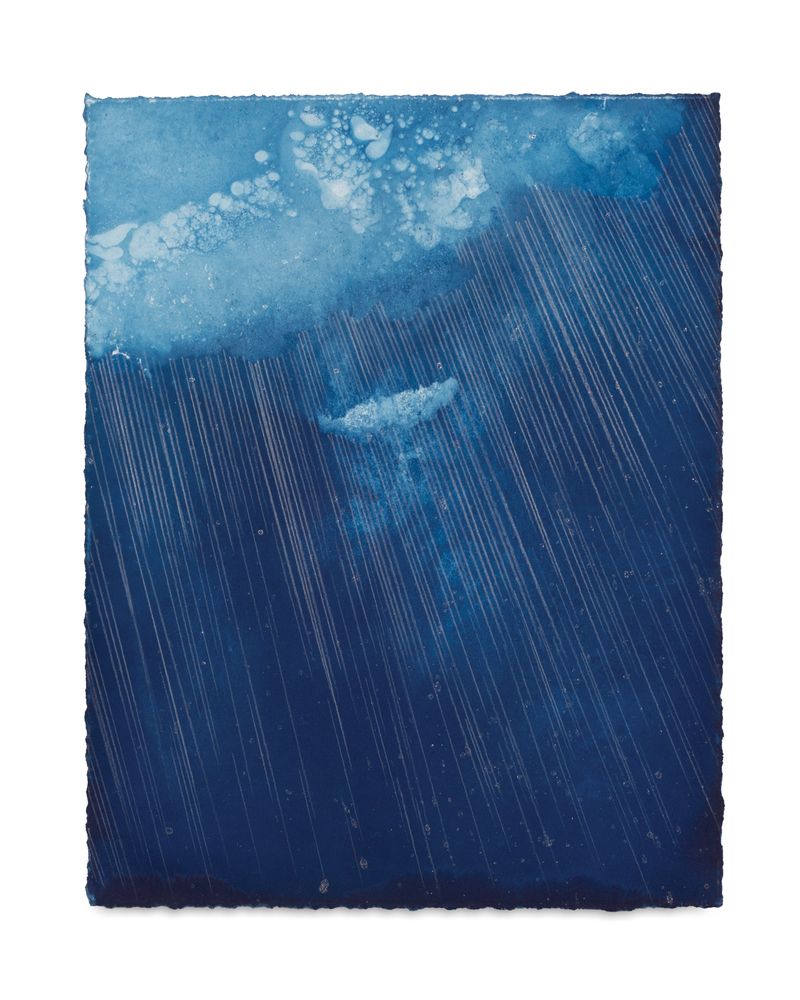
This focus animates her latest work, “Water of the Sky.” The book is a stunning bilingual compendium of 2,000 Japanese words for rain along with their English interpretations, all of which capture “the breadth and diversity of rain’s many expressions,” Ando writes: “When it falls, how it falls, and how its observer might be transformed physically or emotionally by its presence.” Accompanying the text are 100 of her indigo drawings — rendered in pencil and micronized pure silver — each offering a visual display of rain’s varied forms.
Below, you’ll find five drawings and 20 words from Ando’s visual dictionary. The text ranges from “prosaic to esoteric, extending from the meteorological to the mystical and from the minute to the vast,” she writes. “My visual interpretations of these terms are not so much illustrations as evocations, attempts to embody or imagine that particular rain’s precise and essential quality.”
— The Editors
Taikan Jiu: Mercy-from-drought rain
Kabashira Tateba, Ame: See a swarm of mosquitoes, signal of rain
Uki: Praying for rain
Onibi: Will-o’-the-wisp seen on rainy nights
Tokidoki Niwaka Ame: Sometimes light snow and rain showers
Tokidoki Niwaka Yuki: Sometimes snow or sometimes light snow or rain
Giu: False rain
Ama ga Nukeru: The skies open up, it rains like cats and dogs
Shinotsukuame: Intense rain that falls heavily, is very fine and strong like the Bamboo Grove at Shinotake
Uryū Ensa: Describes the appearance of a fisherman working in the rain
Hitome: One rain
Sau: Rain that falls on the river shoal
Amadoi: Sliding red beans to resemble the sound of rain
Nakidashisōna Soramoyō: The sky appears as though it is about to start crying
Kōu: Rain that comes exactly when you were waiting for it
Amagaeru Fukō: A boy who was punished and turned into a frog that cries before it rains for his misdeeds against his father
Sanbaine: A sudden evening storm that occurs so quickly, one has no time to make even three bundles of rice
Zubunure: Soaked by rain all the way through one’s clothing
Amaguri Higaki: In years of rain, chestnuts produce well; in years of sunshine, persimmons produce well
Kitsune no Yomeiri: The day that foxes have their wedding ceremony
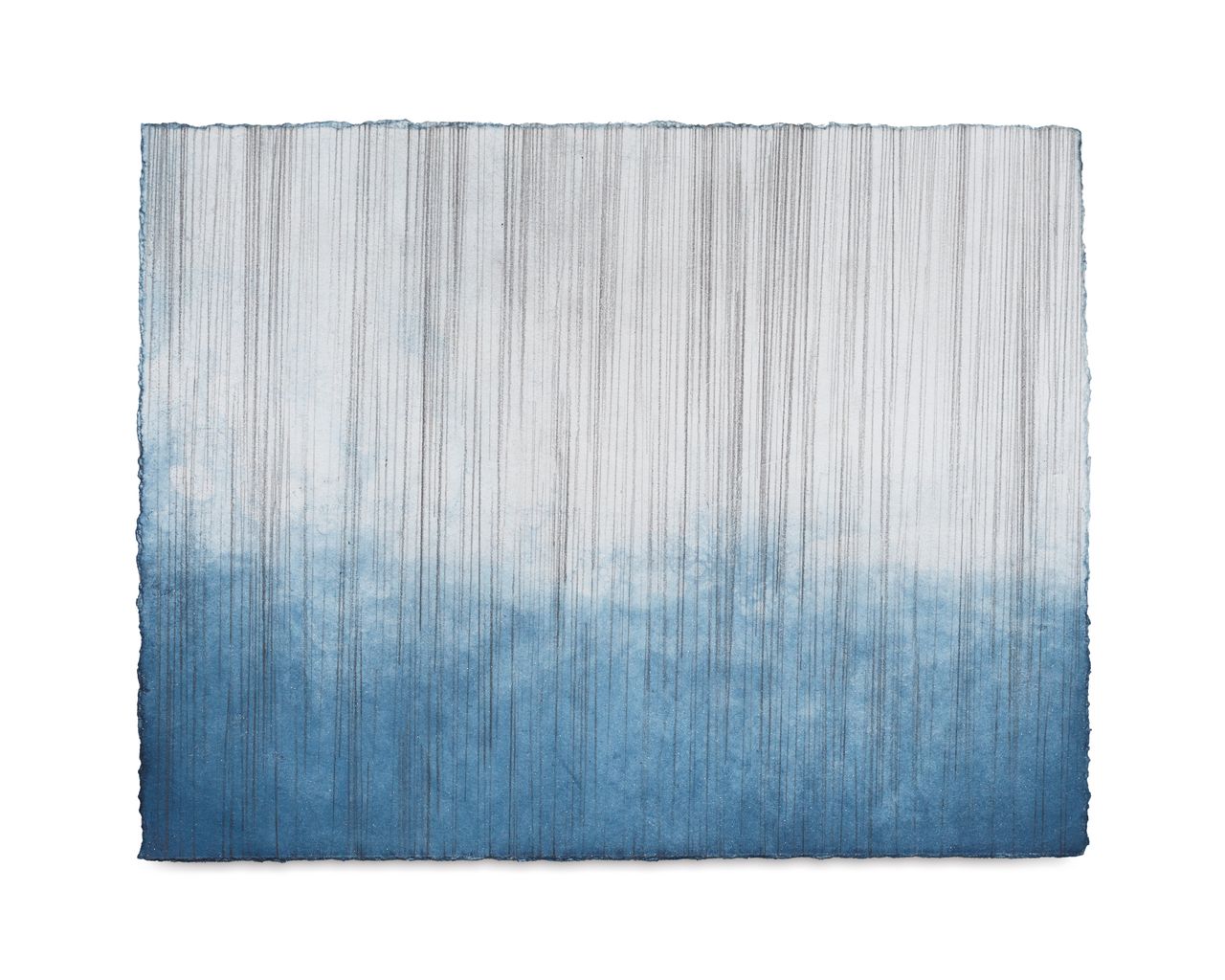
Strong Like The Bamboo Grove At Shinotake)” by Miya Ando
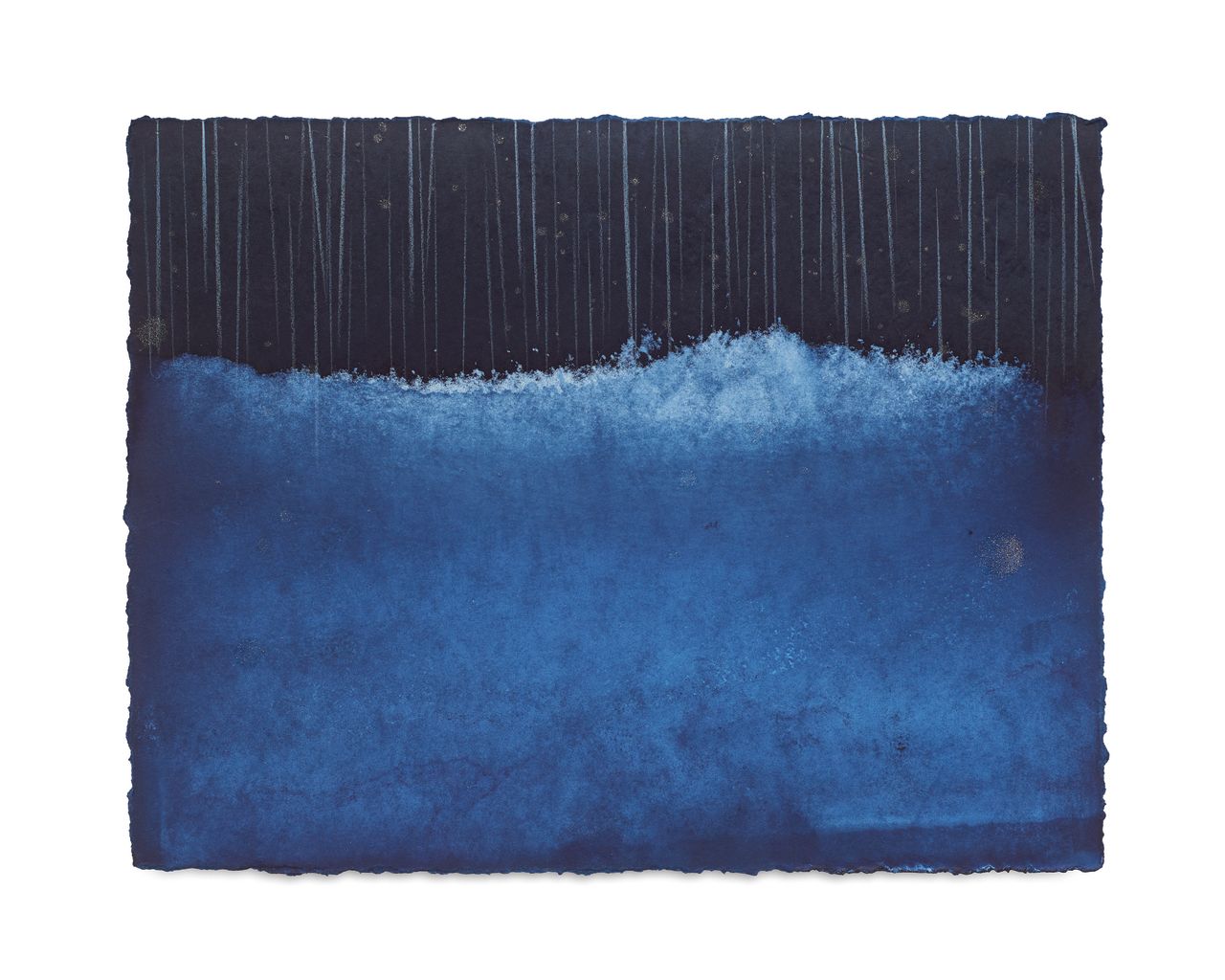
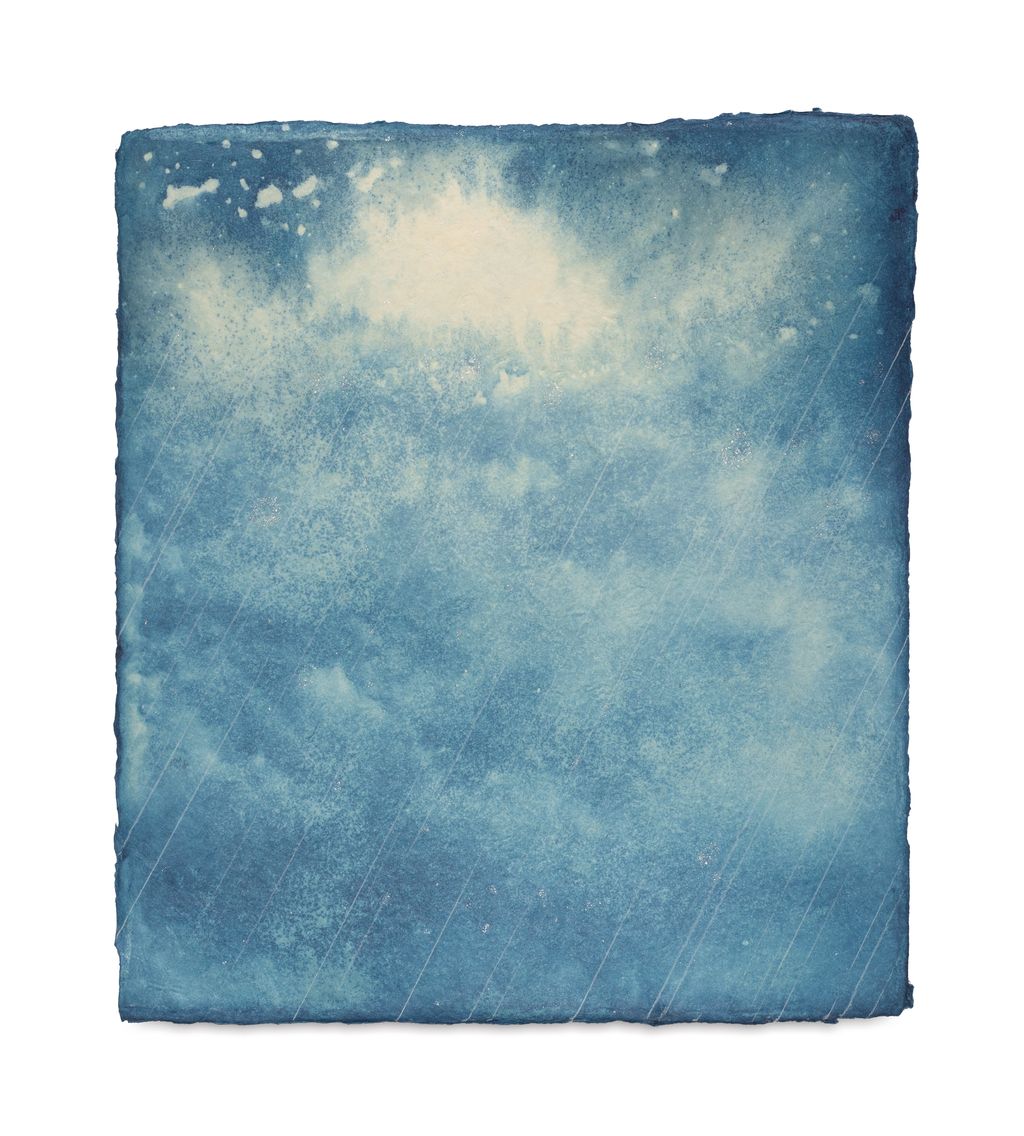
Rain)” by Miya Ando