The Vanishing Giants of America’s Steam Age
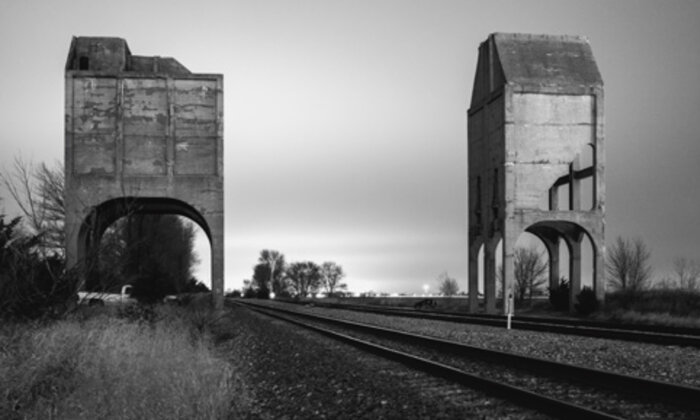
For half a decade, I journeyed 20,000 miles across North America to document a slowly vanishing industrial vestige: the coaling tower. Just over one hundred still stand on the continent, each originally built for the same simple purpose — to drop coal into steam locomotives.
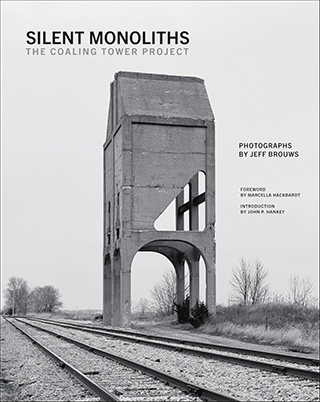
Very little ink has been spilled on the history of coaling towers, let alone on their architectural character. Yet in photographing these silent monoliths, I discovered a remarkable stylistic variety that transcends their utilitarian nature, revealing structures as expressive as they are obsolete. Which begs the question: Why do they exhibit so much diversity in form despite their uniformity in function? The answer lies in a mix of engineering and geography.
The first coaling towers likely appeared in the late 1800s. During their roughly half-century of use in the 1900s, each railroad had different operational needs, as well as cost and engineering considerations when determining a coaling tower’s size and placement along a mainline, in a yard, or at an engine facility. Towers ranged from modest 50-ton stations on remote branch lines to massive 2,000-ton behemoths that straddled multi-track mainlines capable of fueling several locomotives at once.
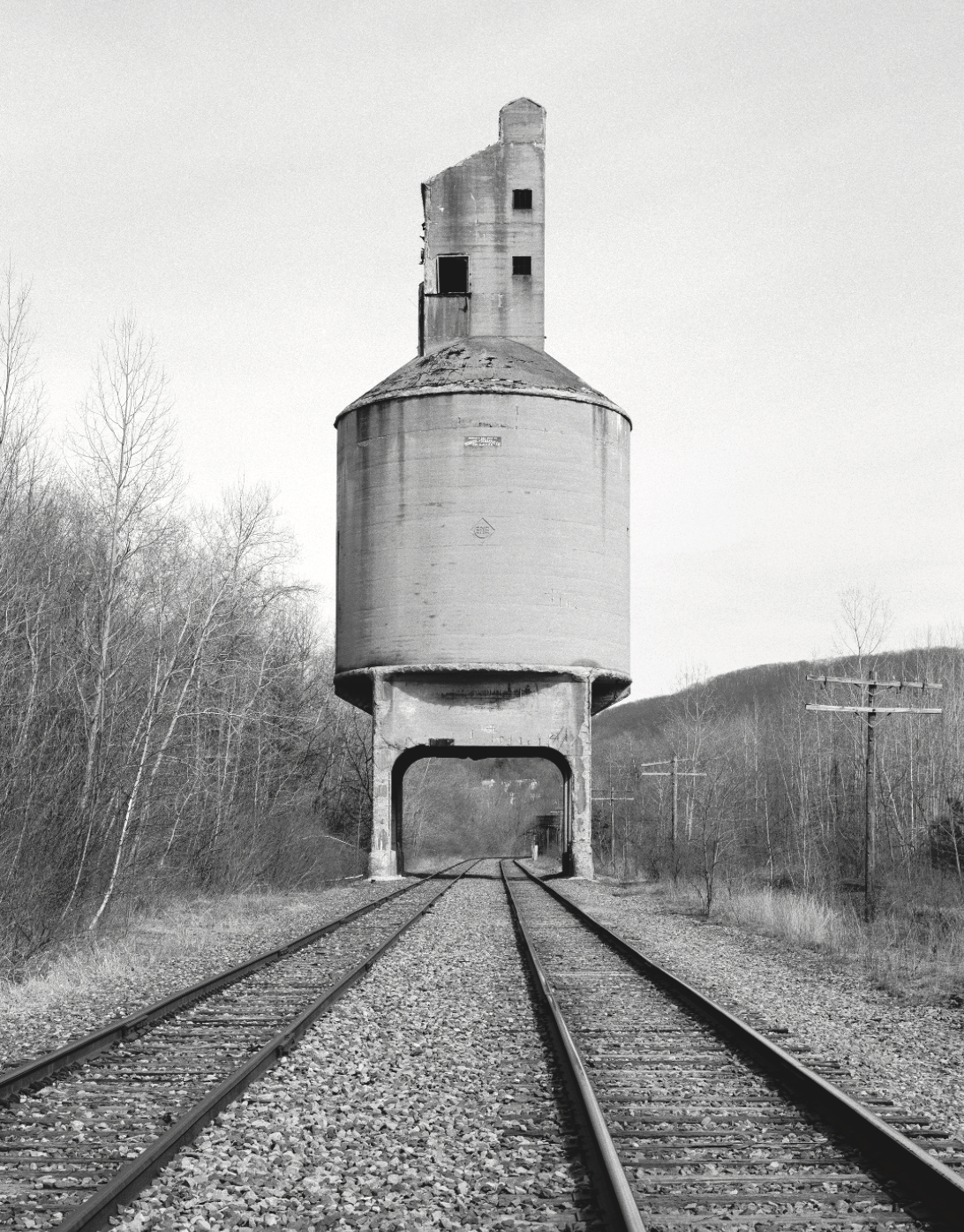
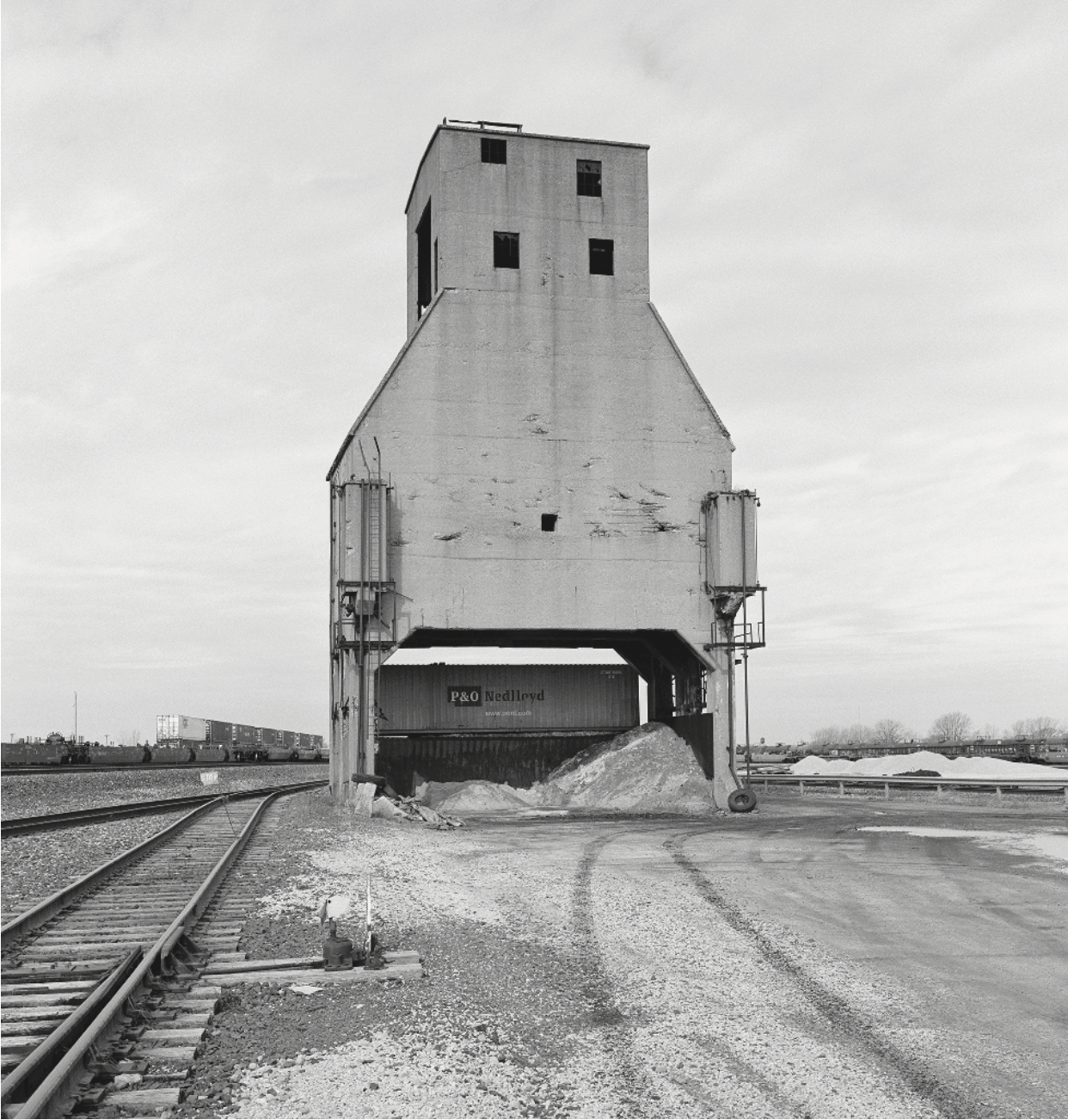
As the Steam Era progressed, the look of coal-handling infrastructure evolved to meet the demands of larger, heavier locomotives. Early, wooden “coal docks” were eventually replaced by reinforced concrete coaling towers, designed to withstand the immense weight of stored coal and the constant vibration of passing trains. While boxy, angular designs were common early on (as in the one in Reevesville, Illinois), they were eventually supplanted — often in the same era — by more efficient cylindrical shapes (as in the one in Susquehanna, Pennsylvania). This shift wasn’t merely aesthetic; the cylindrical, silo-like shape helped distribute the weight of the coal — and the downward pressure it exerted — far more evenly than any rectangular, flat-walled coal bin ever could.
Most surviving concrete coaling towers were the work of specialized firms like Roberts & Schaefer, Fairbanks-Morse, and Ogle. These companies produced detailed, patented designs that served as reference guides for the industry, oftentimes creating a recognizable, unified look for railroads that contracted with them. The Chesapeake & Ohio, for instance, adopted the Ogle cylindrical concrete “bullet-type” as one of its standard styles; five of these still stand in Kentucky and the Virginias today, including the notable 300-ton-capacity tower in Charlottesville. Smaller firms like Ross & White or Howlett employed similar business practices. However, some railroads preferred to manage their own infrastructure, constructing “home-built” models defined by a stripped-down, no-frills approach. (The rectangular Illinois Central Railroad tower in Reevesville is an excellent example of this.)
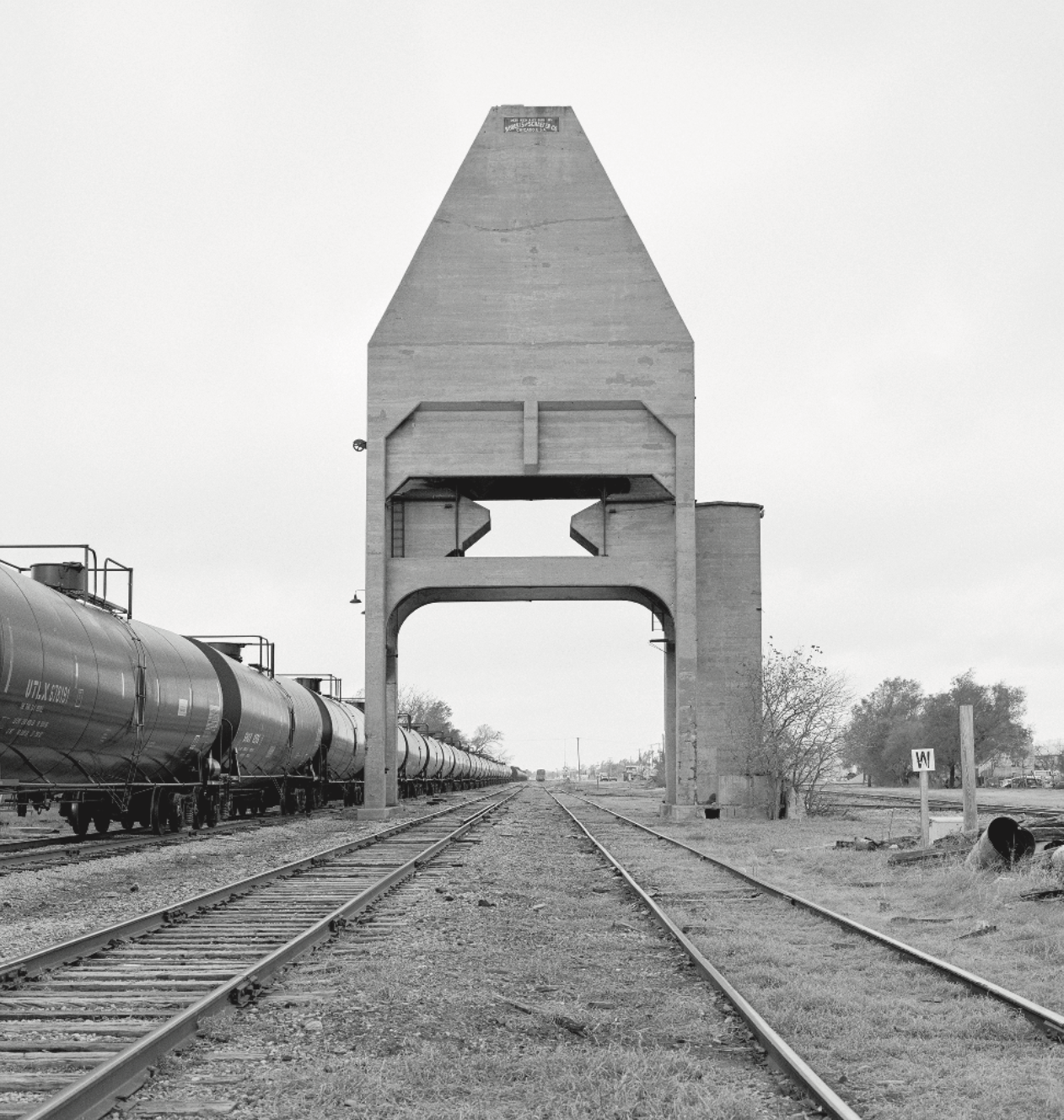
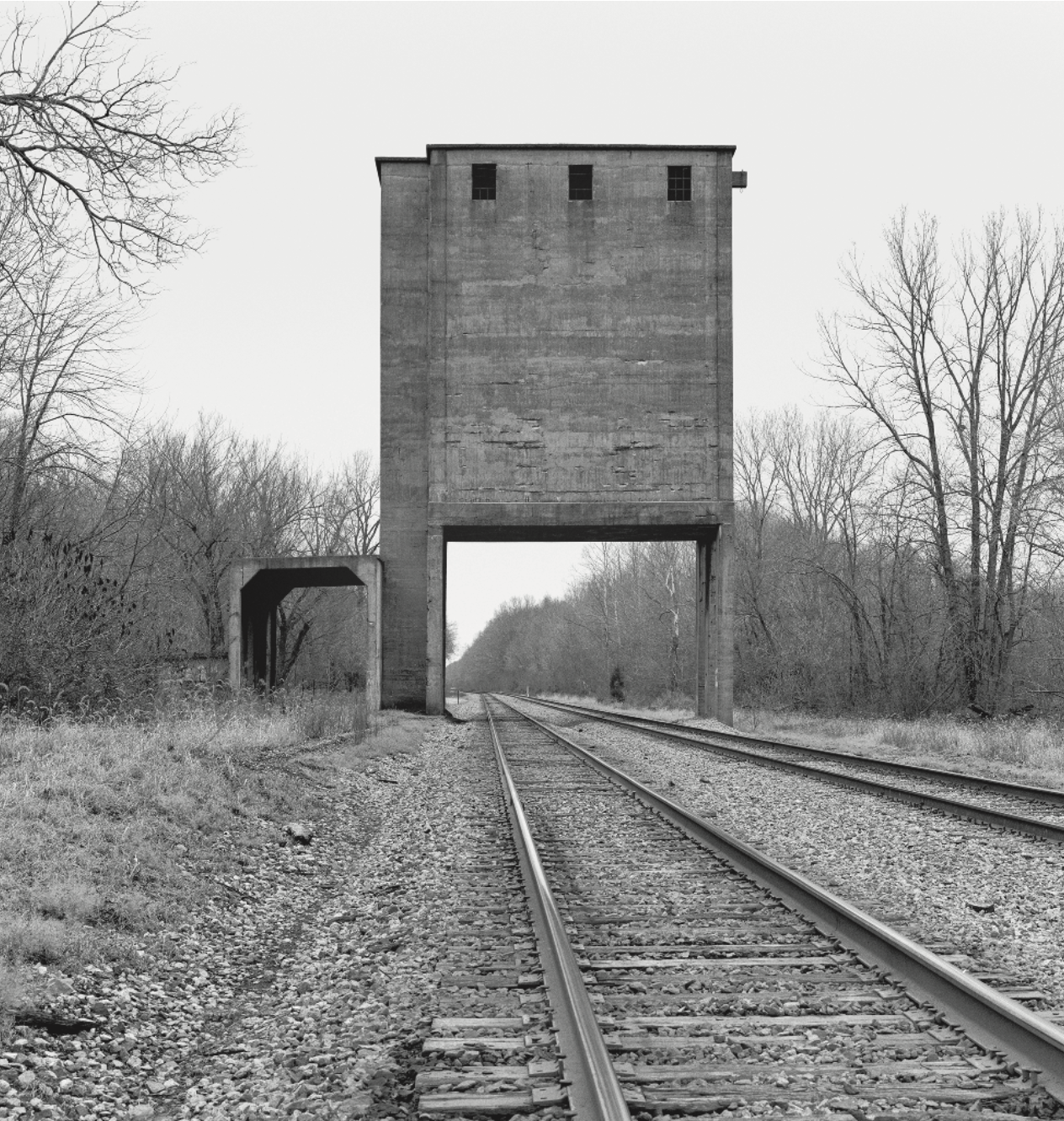
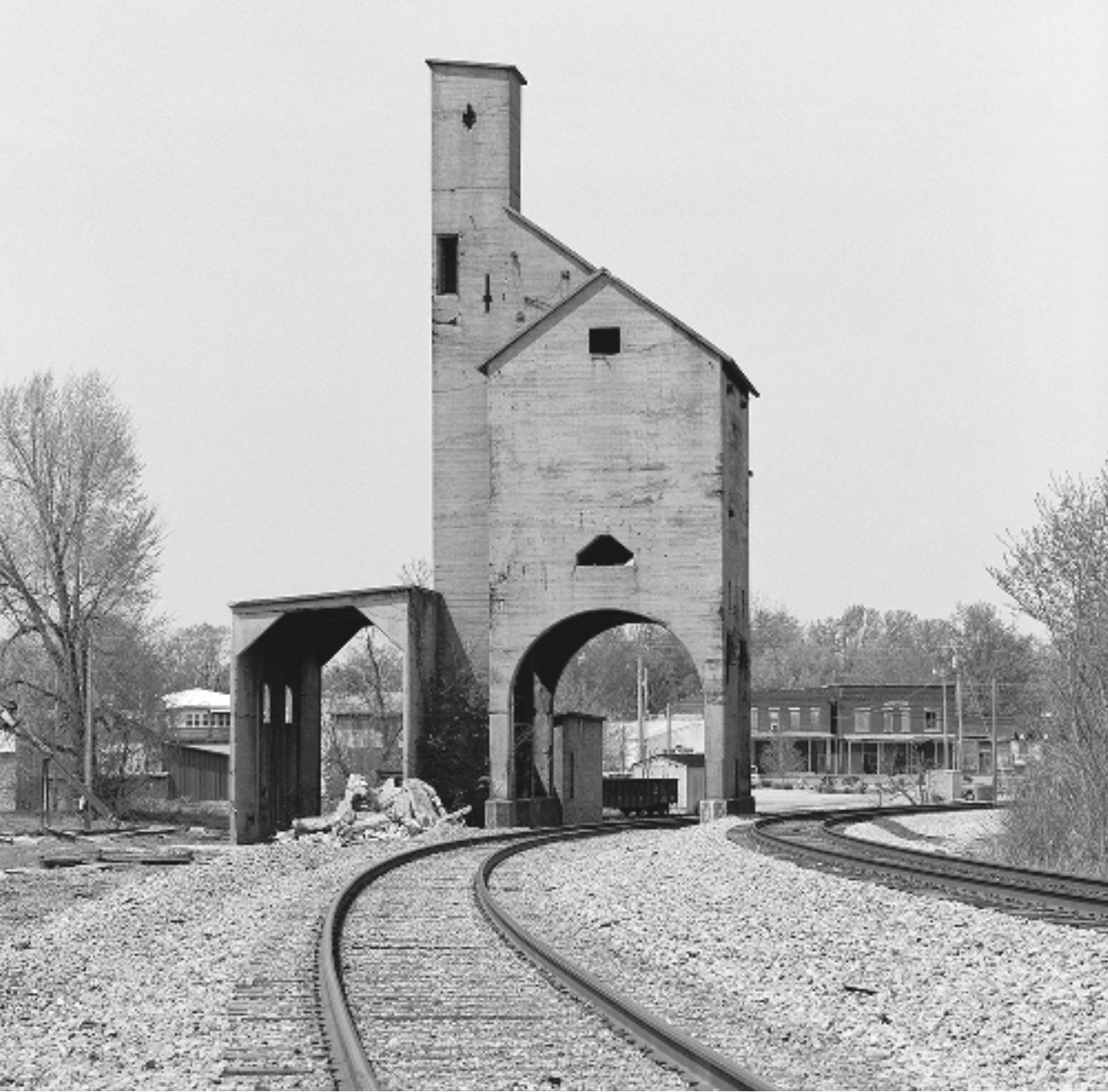
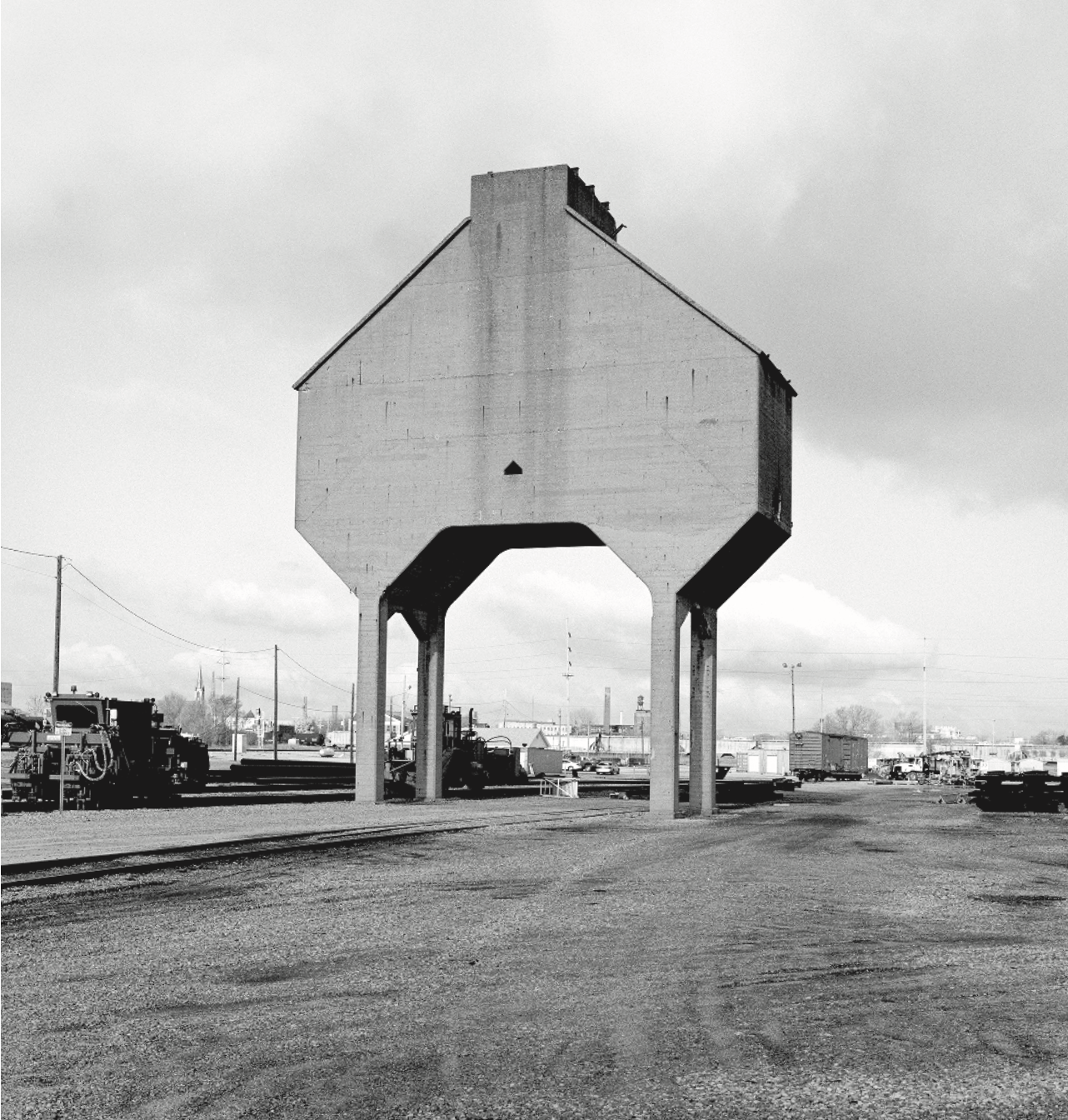
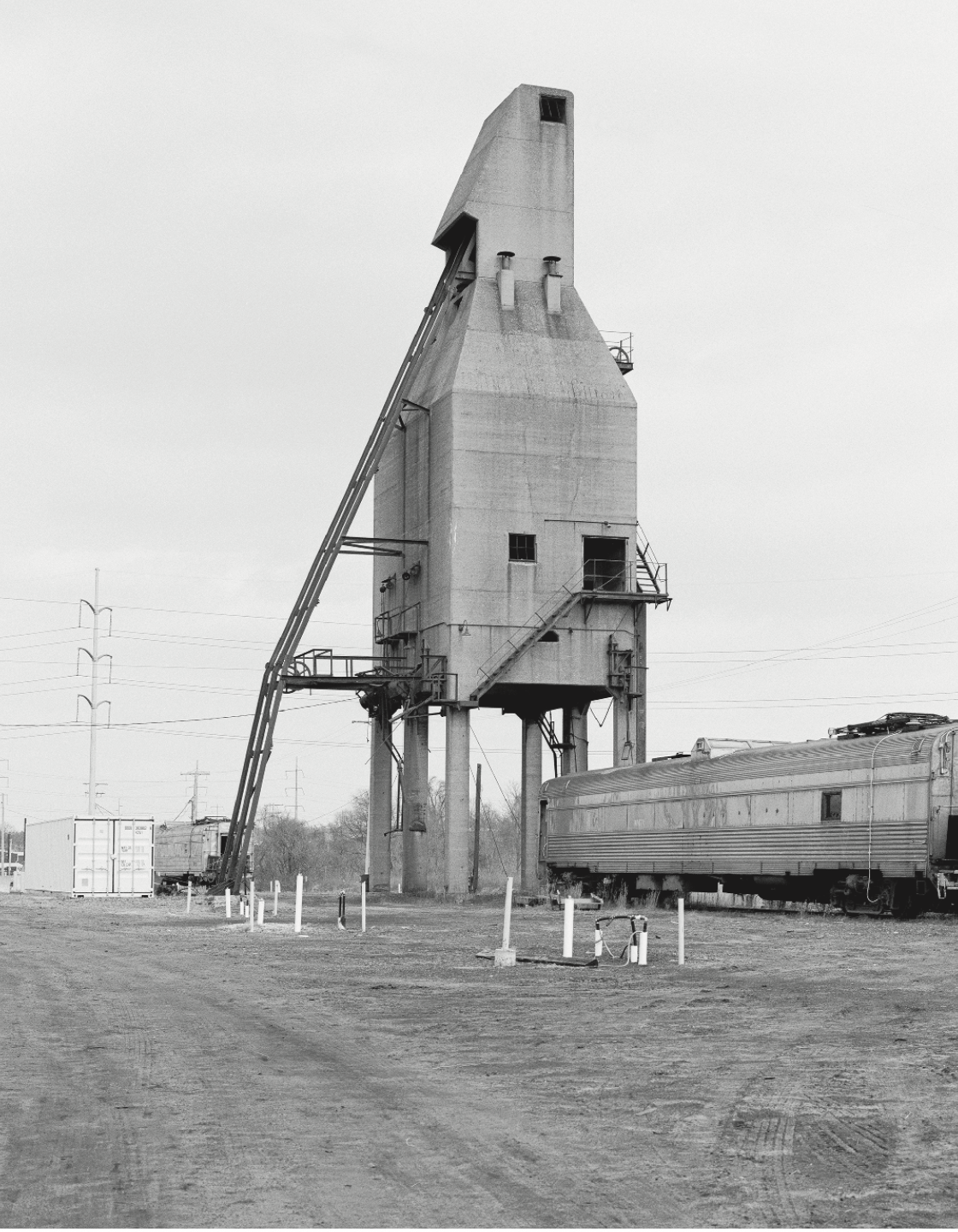
The aesthetic variety of coaling towers reached its arguable zenith in the streamlined outlines found at the Pennsylvania Railroad’s Wilmington, Delaware tower. It was proof that even the most practical designs can achieve a subtle grandeur, blending engineering necessity with the visual language of the Streamline Moderne movement.
While coaling towers stand as a breathtaking fusion of form and function — as sculptures in the landscape itself — their appeal extends beyond the architectural and into the archaeological. Many I sought out were in remote locations. Driving up to the isolated towers at Gilman, Illinois, felt like I had accidentally stumbled upon the stone statues of Easter Island. When I saw the now-separated twin towers in Gilman, which once spanned two busy mainlines, I experienced my own kind of “Doctor Livingstone moment,” wondering why they were built here and why they remain. To the uninitiated, these industrial ruins could be totems from a lost civilization.
This sensation is likely what photographer Walker Evans termed the “historical contemporary” that bridges past and present. The coaling towers, in their various shapes and states of decay, remain a draw for those curious about a vanished era of American industry.
For me, exploring the historical contemporary required more than mere curiosity; it required a thoughtful approach to preparation. I often used Google Earth to scout locations, identify tower placements, and assess potential access issues. In rural areas, however, the resolution was often too fuzzy to discern the exact lay of the land, so I organized nearly 100 printed maps into three-ring binders in advance. Since many towers were in obscure spots, I was never entirely sure whether a day’s drive would yield results. But I didn’t mind being suspended in a state of unknowing.
Once on-site, all the pre-trip planning shifted into the practicalities of the shoot itself. Fully aware that railroad sites could be dangerous, I didn’t linger around active yards or mainlines. I worked quickly, except when I found myself in a landscape on the brink of abandonment. I found many towers marooned in brownfields or stationed alongside secondary lines where few trains ran. In these instances, I could stretch out and take my time with the image-making, falling into a state that often generated my most satisfying work. Though in all cases, I abided by the urban-exploration saying: “Take nothing but photos, leave nothing but footprints.”
Jeff Brouws is a photographer whose work is in many private and public collections, including Harvard’s Fogg Museum, the Los Angeles County Museum of Art, Princeton University Art Museum, and the Whitney Museum of American Art. His photography is featured in “Silent Monoliths.”